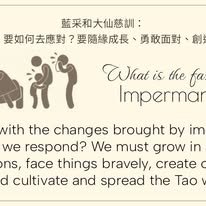
藍采和大仙慈訓: A Teaching from the Immortal Lan Caihe: 其實一個真正行道、辦道的人,他看到眾生在水深火熱當中,看到眾生不能歸根認母,其實他的內心都會有一點點的愧疚,這一點愧疚的心就是慈悲心。如果你修道愈久,看盡了人間的事物,看久習慣了,心也麻痺了,那份慈悲心掉落了、仁慈心不見了,那是不是就很可悲? In truth, when a person who truly walks the Tao and carries out its work sees sentient beings in the depths of suffering, sees them unable to return to their root and recognize their Heavenly Mother, there is a faint trace of remorse in their heart—and that trace of remorse is “compassion”. If you cultivate the Tao for a long time, witness all the affairs of the human world, grow accustomed to them, and your heart becomes numb, and that compassion falls away, that kindness disappears—is that not truly pitiable? 所以修道最主要要找回你自己的『心』,要讓你那顆曾經混濁、曾經沾滿了七情六慾、曾經為了妻恩子愛的心,覺醒過來。 Therefore, the most essential thing in cultivating the Tao is to find your own “heart” again, to awaken that heart which was once turbid, once stained by the seven emotions and six desires, once entangled in attachments to wife, children, and worldly love. 雖然帶著修道人的名號,披著修道人的袈裟,可是你的行為、想法、作為,都還沒有提昇達到一定的聖賢、佛菩薩的格,所以才必須要天天下苦功夫,不時的充實自己、反省自己,使自己的心、自己的行為,自己想要做的大事,讓它一步一步按部就班,修道人不只要有理想,要有決心、毅力、恆心,要能夠忍辱負重,那你才能夠稱之為佛家龍象。 Though you carry the title of a cultivator and wear the robe of a cultivator, if your conduct, thoughts, and actions have not yet risen to the level of the sages, worthies, Buddhas, and Bodhisattvas, then you must put in hard effort every day—constantly enriching yourself and reflecting on yourself—so that your heart, your actions, and the great work you wish to accomplish proceed step by step in an orderly way. Cultivators must not only have ideals but also resolve, perseverance, constancy, and the ability to endure humiliation and bear heavy burdens. Only then can you be called a dragon or elephant among the Buddha’s disciples. (*In Buddhism, “dragons and elephants” (龍象) are metaphors for eminent practitioners who possess great strength and virtue—dragons representing wisdom and power, elephants representing patience and endurance.) 人為什麼會有好與壞?因為,接受好的薰陶就好,接受了不好的訊息,就會走入地獄之門。人會行善、行惡,全憑一顆心。 Why are there good and bad people? Because if one receives good influence, one becomes good; if one receives bad influence, one walks through the gates of hell. Whether a person does good or evil depends entirely on the heart. 當咱們能自性作主,用真主人來應事,自然就明白什麼是對、什麼是錯,什麼該進、什麼該退,自然能進退合宜、是非分明。 When we can let our original nature take charge, using the true master to respond to affairs, we naturally understand what is right and what is wrong, what to advance toward and what to retreat from—and thus we can act appropriately in all situations and distinguish clearly between right and wrong. 什麼是最快的?無常。人一口氣不來,生命就沒有了,它的速度比交通工具還快,只在剎那之間。人遇到無常的改變,要如何去應對?要隨緣成長、勇敢面對、創造生機、積極修辦。 What is the fastest thing? Impermanence. When one breath is gone, life is no more—its speed is even faster than any vehicle, occurring in but an instant. When faced with the changes brought by impermanence, how should we respond? We must grow in accordance with conditions, face things bravely, create opportunities for life, and cultivate and spread the Tao with vigor. 許許多多的疾病層出不窮,為何?因為咱們的心起變化,所以肉體也起變化。 Why do so many diseases emerge one after another? Because our hearts undergo change, and thus our bodies also undergo change.